Summary:
How to Size Your Generator: Getting the Math Right
Getting the size wrong is the most expensive mistake homeowners make. Too small and your generator won’t power what you need. Too large and you’ve wasted thousands on capacity you’ll never use.
Start by listing everything you want powered during an outage, add up the running watts, then add the highest starting watts figure and multiply by at least 1.25 for your minimum capacity requirement. Your central air conditioning system typically demands the most power, so factor that in early.
Most Islip Terrace homes need between 10kW and 22kW depending on square footage and appliances. But don’t guess—contact a certified electrician to determine your exact power requirements because miscalculating costs more than getting it right the first time.
Why Starting Watts Matter More Than You Think
Here’s where most DIY calculations go wrong. Some electrical equipment has different starting and running wattage because it takes more energy to start equipment with electric motors, with starting loads up to six times the running load.
Your refrigerator might run on 700 watts but need 2,100 watts to start. Same goes for your sump pump, well pump, and air conditioning compressor. These starting surges happen simultaneously when power returns, which is why generators need additional capacity beyond just adding up running watts.
Select the items you want powered simultaneously, add the total running watts, then add the highest starting watts requirement. This prevents your generator from tripping its breaker right when you need it most.
Professional electricians use load calculation software that accounts for these surges automatically. We’ll also consider future additions like electric vehicle chargers or hot tubs that might increase your power needs down the road. Avoid going with the bare minimum generator as home power requirements increase over time.
Whole House vs Essential Circuits: What Makes Sense
You have two main approaches: power everything or power what matters most. Whole house generators typically range from 20kW to 48kW and cost significantly more upfront. Essential circuit generators run 10kW to 16kW and focus on critical loads.
Essential circuits usually include your refrigerator, some lighting, heating system, and a few outlets. Smaller portable generators transmitting up to 7,500 watts can power up to 6 circuits from your existing electrical panel. This approach costs less but requires you to prioritize what stays on.
Many manufacturers now offer intelligent control systems that monitor currents and temporarily turn off lower priority circuits to allow high-demand appliances like air conditioners to start. This lets you install a smaller, more affordable generator while still powering what you need most.
The choice depends on your budget and lifestyle. If you work from home or have medical equipment, whole house coverage makes sense. For basic comfort and food preservation, essential circuits work fine and cost thousands less. Either way, proper sizing prevents the frustration of an undersized system when the next storm hits Suffolk County.
Location, Permits, and Local Code Requirements
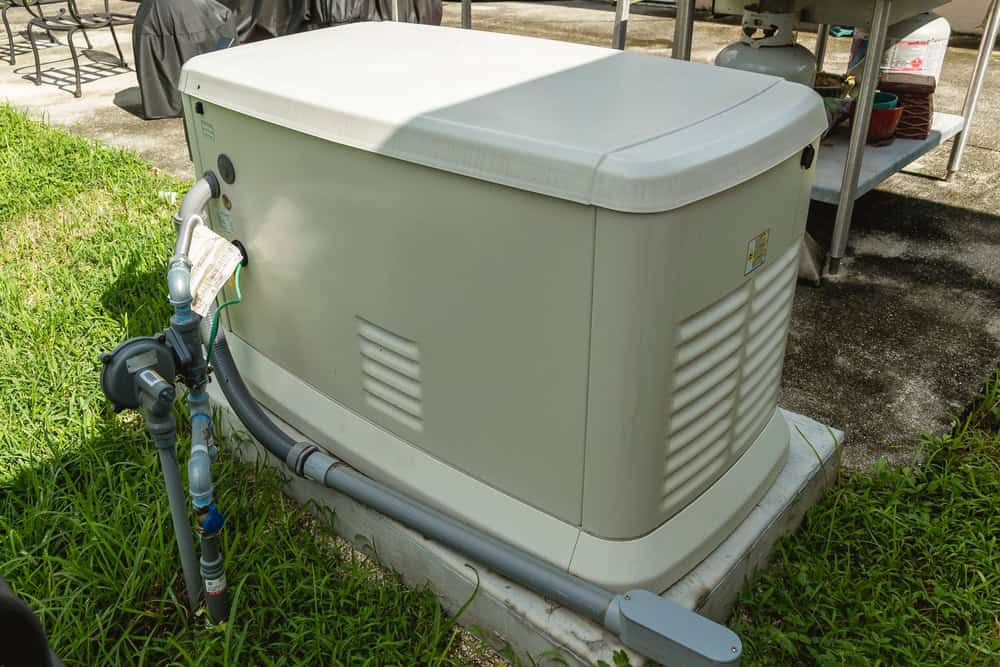
Generator placement isn’t just about convenience—it’s about safety, noise, and legal compliance. Generators must be located in side or rear yards with minimum 5-foot setbacks, never in front yards. They also require 5-foot clearance from combustible walls and any building openings like windows, doors, or vents.
Local permits are mandatory for permanent installations. In Islip Terrace, applications may require Federal Aviation Administration approval due to proximity to Long Island MacArthur Airport. The electrical hookup must be installed by a licensed electrician, and natural gas connections require a licensed plumber.
Don’t skip the permit process. Unpermitted work creates liability issues, voids warranties, and causes problems when you sell your home.
Noise Limits and Neighbor Relations
Generator noise levels cannot exceed 65 decibels at any property boundary. That’s about as loud as normal conversation, but generators run for hours during extended outages. Poor placement can strain neighbor relationships and potentially violate local noise ordinances.
Permanently installed generators should be placed to minimize visual impact on adjacent properties using appropriate sound-attenuating architectural materials. Consider landscaping, fencing, or acoustic barriers if your lot is small or houses are close together.
Maintenance operation is restricted to weekday daylight hours between 10:00 AM and 5:00 PM, not exceeding once per week. This weekly exercise cycle keeps your generator ready but limits noise disruption.
Modern generators run much quieter than older models, but proper placement and screening still matter. Work with your installer to find the sweet spot that meets code requirements while maintaining good neighbor relations. Smart placement now prevents headaches later.
Fuel Supply Options and Safety Requirements
Natural gas generators connect directly to your existing gas line, while propane units use tanks that can last a week or more with proper sizing. Natural gas offers unlimited runtime during outages but requires existing service. Propane provides independence but needs periodic refilling.
Installation must comply with NFPA standards for engines located outdoors, including proper clearances from windows, doors, and ventilation points. All flames and cigarettes must be extinguished when handling gasoline, and fuel should never be stored inside your house.
Professional installation includes double-pole, double-throw transfer switch gear to prevent dangerous “back feeding” that can electrocute utility workers. Improperly connected generators create dangerous current that can injure you or others, including linemen working on supposedly de-energized lines.
This is why DIY generator connections are illegal in most areas and void equipment warranties. The transfer switch installation alone requires electrical expertise and code knowledge that most homeowners don’t possess. When Suffolk County storms knock out power to hundreds of customers, you want a system that works safely and reliably.
Why Professional Installation Pays for Itself
Generator installation involves electrical work, gas connections, permits, and safety systems that require professional expertise. With proper installation and maintenance, backup generators can last 20 years or more. Cut corners on installation and you risk equipment failure, safety hazards, and code violations.
Islip Terrace’s frequent storm-related power outages make backup power essential rather than optional. The investment pays for itself in comfort, security, and peace of mind during the next blackout. But only when it’s done right the first time.
For professional generator installation in Islip Terrace, contact Marra Electric. We handle everything from sizing and permits to installation and maintenance, ensuring your generator works when you need it most.