09 Oct Stay Powered: Why Professional Generator Installation is a Must in Suffolk County, NY
Summary:
Tuesday evening. Lights flicker, then darkness. If you’re a Suffolk County homeowner, this scenario hits close to home. Power outages here aren’t just inconvenient—they’re dangerous and expensive. Professional generator installation protects your family’s safety, saves your food from spoiling, and keeps life running when the grid fails. Here’s everything you need to know about making the smart move to reliable backup power.
Why Suffolk County Homeowners Choose Generator Installation
Suffolk County’s coastal location and aging electrical infrastructure create the perfect storm for power outages. When storms hit Long Island, thousands of residents lose power for days or even weeks.
You face real costs when the power goes out. Your refrigerator stops working, spoiling hundreds of dollars in groceries. Heating and cooling systems shut down. Medical equipment fails. Phone batteries die, cutting you off from emergency information.
Professional generator installation eliminates these problems completely. Your backup power kicks in automatically, keeping your family safe and comfortable while neighbors scramble for candles and flashlights.
The Hidden Costs of Power Outages You Can't Ignore
Most Suffolk County families don’t realize how expensive power outages actually are until they experience a long one. You’re looking at $200-500 in spoiled food during a 24-hour outage. Add hotel costs if your home becomes unlivable, missed work days, and potential damage from frozen pipes, and you’re facing thousands in losses.
Safety risks multiply in the dark. Candles start house fires. People get injured navigating dark stairs and hallways. Elderly family members and those with medical conditions face life-threatening situations when power-dependent equipment stops working. Every year, dozens of Long Island residents end up hospitalized from carbon monoxide poisoning caused by improperly used portable generators.
Home generator installation prevents all of this. Your standby system starts automatically within seconds of an outage. You might not even realize the power went out. No fumbling for emergency supplies, no rushing to save food, no worrying about family safety.
The peace of mind is invaluable. You sleep soundly knowing that whatever Mother Nature throws at Suffolk County, your family stays protected. Your home becomes the neighborhood safe haven during emergencies—you might find yourself hosting neighbors who weren’t as prepared.
Generator Installation Increases Your Home Value
Whole house generator installation isn’t an expense—it’s an investment that pays dividends. Real estate studies show standby generators increase home values by 3-5%, with some installations providing up to 150% return on investment. In Suffolk County’s competitive market, backup power sets your property apart.
Today’s homebuyers view generators as essential, not luxury items. Younger buyers especially prioritize homes with emergency preparedness features and modern conveniences. When you’re ready to sell, your generator installation becomes a major selling point that helps your home sell faster and for top dollar.
The investment makes even more sense considering rising outage frequency. Climate change brings more severe weather, while the electrical grid faces increasing strain. Multi-day outages are becoming common occurrences rather than rare events. Installing a generator now protects you from this trend and future-proofs your home.
Some insurance companies offer discounts for homes with standby generator installation, recognizing that backup power reduces claims related to outage damage. Check with your provider—you might qualify for savings that help offset installation costs.
Choosing the Right Generator Installation for Your Suffolk County Home
Every home has different power needs, and what works for your neighbor might not fit your situation. The key is understanding your essential circuits and choosing a system that matches your lifestyle and budget.
Whole house generator installation provides complete peace of mind, powering everything from appliances to air conditioning. Smaller standby generators focus on essential circuits, keeping critical systems running while reducing upfront costs.
Why Standby Generator Installation Beats Portable Every Time
Portable generators seem budget-friendly until you factor in their limitations and risks. You manually start them during storms, run extension cords throughout your house, and store gasoline safely year-round. They’re loud, produce dangerous exhaust, and require you to venture outside during severe weather for refueling.
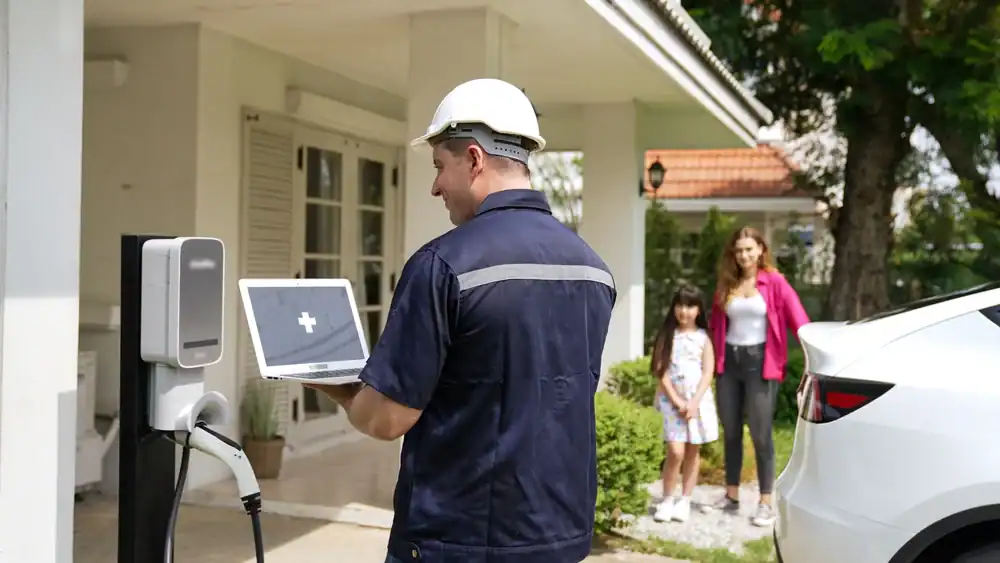
Professional standby generator installation solves every problem. Your system connects directly to your electrical panel and fuel supply—natural gas or propane. When outages occur, the automatic transfer switch detects the problem and starts your generator within 10 seconds. Grid power returns, the system switches back automatically and shuts down.
Consider this scenario: you’re vacationing in Florida when a nor’easter hits Suffolk County. With standby generator installation, your home runs normally—security system active, sump pump working, pipes staying warm. You return to a comfortable home instead of a disaster zone.
Professional installation ensures safe, reliable operation. Your generator sits on a proper concrete pad, correctly distanced from windows and air intakes. Fuel lines, electrical connections, and transfer switches meet all local codes with proper permits and inspections. You get a system that runs for days or weeks, not just hours.
Proper Generator Sizing: Getting the Power You Actually Need
Correct sizing is crucial for reliable generator installation and cost-effectiveness. Too small means you can’t power essential appliances. Too large means you overpay for installation and fuel costs. Professional assessment ensures you get exactly what your Suffolk County home needs.
Most local homes require 10-22 kilowatts of backup power. A 10kW generator handles essential circuits—refrigerator, lights, furnace fan, and key outlets. A 20kW system powers most of your home, including central air conditioning. Larger homes wanting complete coverage need 22kW and up for whole house generator installation.
Sizing involves more than adding appliance wattages. Starting loads matter—motors need extra power when they kick in. Your air conditioner runs on 3,000 watts but needs 9,000 watts to start. Well pumps, sump pumps, and other motor equipment have similar startup requirements that affect generator sizing calculations.
Fuel type impacts sizing decisions. Natural gas generator installation connects to your existing gas line for ultimate convenience, though units produce slightly less power than propane models. Without natural gas service, propane tank installation provides complete utility independence. Larger tanks mean longer run times between refills—critical for extended Suffolk County outages.
Professional Generator Installation: Your Best Investment Decision
Generator installation involves electrical work, gas connections, and local permits—definitely not a DIY weekend project. Professional installation ensures your system operates safely and reliably when emergencies strike. Proper installation also protects your warranty and ensures code compliance.
Working with experienced Suffolk County generator installers means getting transparent pricing, quality workmanship, and ongoing support. We handle permits, inspections, system connections, and customer training. When you invest in professional generator installation, you’re buying peace of mind that protects your family for decades. Contact us today to discover how professional generator installation can safeguard your Suffolk County home.

Sorry, the comment form is closed at this time.