Lit LED bulb with flexing arms drawn above it beside a shattered incandescent bulb on a dark surface, symbolizing energy efficiency in Suffolk County, NY.

Troubleshooting Common Residential Electrical Problems in Suffolk County, NY

Summary:

Common electrical problems cost Suffolk County homeowners $650-1,200 in emergency service calls when left unaddressed. Learn to identify flickering light causes, breaker trip patterns, and warning signs that require immediate professional attention to prevent expensive electrical failures.
Table of contents
Flickering lights and tripped breakers aren’t just minor inconveniences—they’re warning signals of electrical problems that escalate into emergency service calls costing $450-800 when ignored. In Suffolk County, NY, where 67% of homes were built before 1980 with electrical systems designed for half of today’s power demands, these seemingly small issues often indicate dangerous overload conditions or failing connections that can damage expensive appliances or start electrical fires. The difference between a $150 diagnostic visit and an $800 emergency repair often comes down to recognizing problem patterns early and understanding which symptoms require immediate professional attention versus simple homeowner solutions. When you learn to identify the root causes behind common electrical problems, you can address minor issues before they become major expenses while protecting your home’s valuable electronics and maintaining the reliable power supply your family depends on daily.

Flickering Light Patterns That Reveal Hidden Electrical Problems

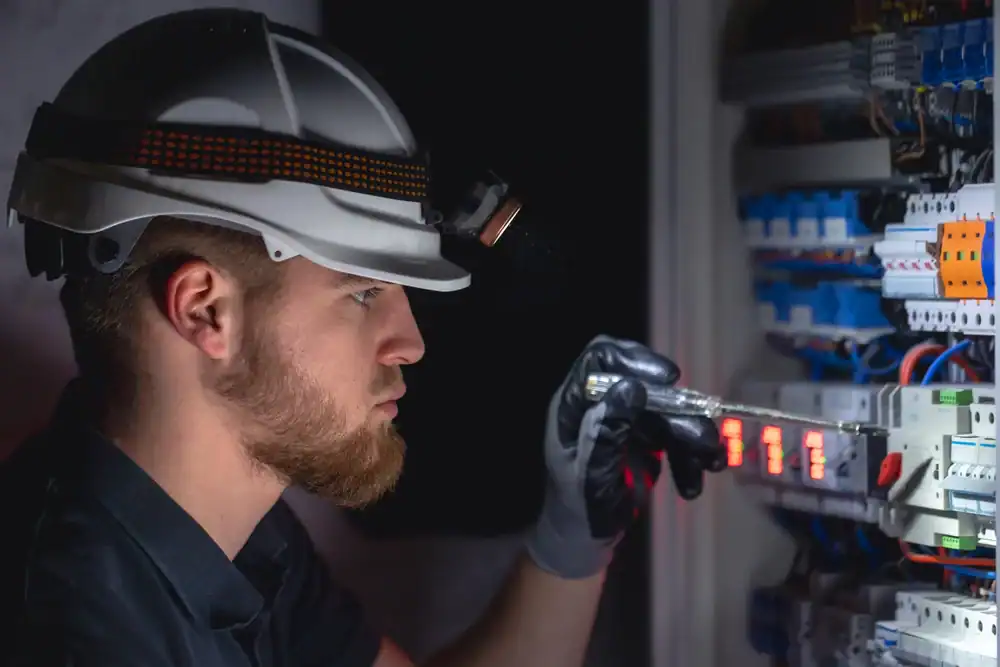
Flickering lights communicate specific information about your electrical system’s condition, with different flicker patterns indicating distinct problems requiring different solutions. Lights that flicker when large appliances start—like air conditioners, washers, or microwaves—reveal voltage drops exceeding 5%, indicating inadequate electrical supply that forces appliances to draw excessive current and reduces their lifespan by 20-30%. Random flickering throughout your home suggests loose connections in your electrical panel, a dangerous condition that generates heat and can ignite surrounding materials within the panel enclosure. Lights that flicker only in specific rooms typically indicate loose wire connections at switches, outlets, or junction boxes, problems that create electrical arcs capable of starting fires within wall cavities. Professional electrical diagnosis uses voltage meters and thermal imaging to identify exact problem locations, measuring voltage stability under load conditions that reveal connection quality invisible to visual inspection alone.

Voltage Drop Testing That Identifies Overloaded Circuits

Voltage drops exceeding 3% indicate electrical circuits operating beyond safe capacity, a common problem in Suffolk County homes where modern electrical demands strain systems designed for 1960s-1970s usage levels. Professional testing measures voltage at outlets under various load conditions, identifying circuits that cannot maintain stable 120V supply when appliances operate simultaneously. This testing reveals which circuits require load redistribution or upgrading to prevent equipment damage and electrical failures.

Connection Quality Assessment Through Thermal Analysis

Voltage drops exceeding 3% indicate electrical circuits operating beyond safe capacity, a common problem in Suffolk County homes where modern electrical demands strain systems designed for 1960s-1970s usage levels. Professional testing measures voltage at outlets under various load conditions, identifying circuits that cannot maintain stable 120V supply when appliances operate simultaneously. This testing reveals which circuits require load redistribution or upgrading to prevent equipment damage and electrical failures.

Circuit Breaker Trip Patterns That Predict System Failures

Circuit breakers protect your electrical system by interrupting power when dangerous conditions occur, but trip frequency and timing reveal important information about your home’s electrical health and safety margins. Breakers that trip immediately when reset indicate short circuits or ground faults requiring immediate professional attention, as these conditions can cause electrical fires or electrocution if power restoration attempts continue. Breakers that trip after 5-15 minutes of operation suggest overloaded circuits carrying 110-125% of rated capacity, a condition that degrades wire insulation over time and creates fire hazards within walls where detection becomes impossible until damage spreads. Breakers that trip randomly without apparent cause often indicate aging breaker mechanisms that fail to provide reliable protection, particularly common in Federal Pacific and Zinsco panels installed in Suffolk County homes during the 1960s-1980s. Professional circuit analysis measures actual current loads versus breaker ratings, identifying overload conditions and testing breaker response times to verify protection reliability under various fault conditions.

Load Calculation Methods That Prevent Overload Conditions

Modern homes require 150-200 amp electrical service to safely operate today’s appliances, yet many Suffolk County homes retain original 60-100 amp panels insufficient for current demands. Professional load calculations account for continuous loads like HVAC systems, intermittent loads like kitchen appliances, and future additions like electric vehicle chargers. This analysis determines whether frequent breaker trips result from insufficient panel capacity or circuit overloading, guiding upgrade decisions that prevent recurring problems.

Safety Testing That Identifies Immediate Hazards

Ground Fault Circuit Interrupter (GFCI) and Arc Fault Circuit Interrupter (AFCI) devices provide protection against electrocution and electrical fires, but these safety systems require monthly testing to verify proper operation. Professional electrical inspections test all safety devices under actual fault conditions, measuring response times and sensitivity levels that determine protection effectiveness. Failed safety devices create deadly hazards that often go undetected until accidents occur.

Prevent Expensive Electrical Emergencies With Professional Diagnosis

Understanding electrical problem symptoms helps you distinguish between simple issues requiring basic troubleshooting and serious conditions demanding immediate professional attention. The $150-250 investment in professional electrical diagnosis prevents the $450-800 emergency service calls that result when minor problems escalate into major failures, while protecting your home’s electronics and maintaining reliable power for your family’s daily needs. Your electrical system’s warning signs deserve the same attention you give other home maintenance issues, with regular professional assessments that catch problems while solutions remain straightforward and affordable. Contact Marra Electric today to schedule your electrical system evaluation and gain the knowledge needed to keep your Suffolk County home safe, efficient, and free from costly electrical surprises.

No Comments

Sorry, the comment form is closed at this time.