21 Jul What Every Suffolk County Homeowner Should Know About Their Electrical System
Summary:
Electrical Panel Components That Control Your Home's Power Distribution
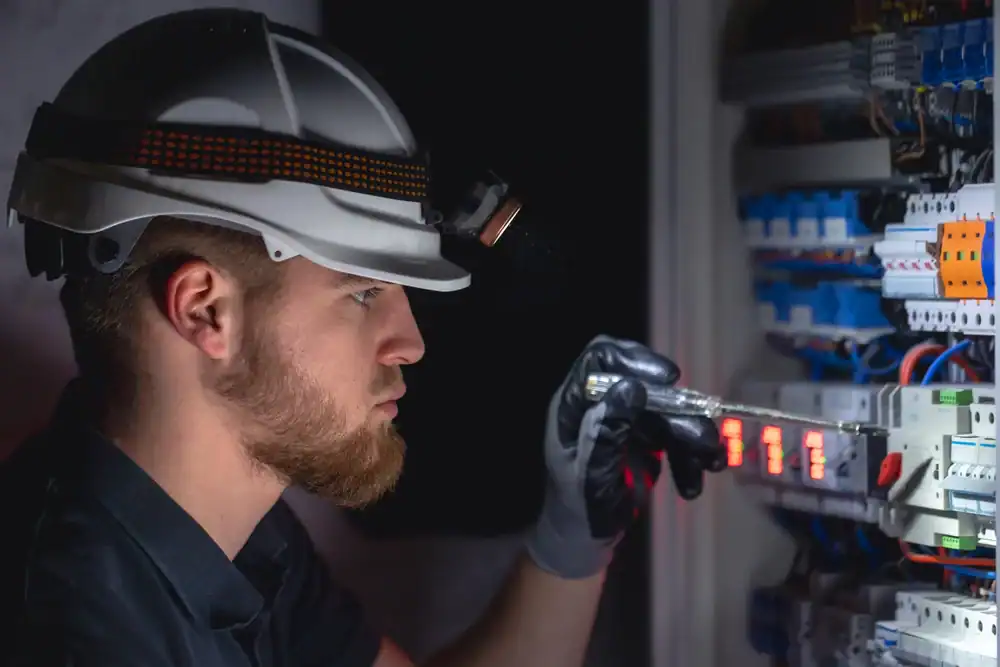
Your electrical panel serves as mission control for your home’s power system, distributing electricity from the utility company through individual circuits that supply specific areas and appliances. Modern Suffolk County homes require 150-200 amp panels to handle today’s electrical demands, yet many retain original 60-100 amp panels that create dangerous overload conditions when air conditioning, electric dryers, and kitchen appliances operate simultaneously. Each circuit breaker protects specific wire gauges and loads: 15-amp breakers serve lighting and outlets using 14-gauge wire, while 20-amp breakers protect kitchen and bathroom outlets using 12-gauge wire designed for higher current demands. Understanding your panel’s capacity helps you avoid overloading circuits that cause the breaker trips affecting 43% of homes during peak usage periods. Professional panel labeling identifies which breaker controls each area, information that proves invaluable during emergencies when you need to shut off power quickly or when electricians perform repairs that require isolating specific circuits.
Circuit Load Management That Prevents Electrical Problems
Each electrical circuit in your home has specific capacity limits: 15-amp circuits safely handle 1,440 watts continuous load, while 20-amp circuits accommodate 1,920 watts without overheating. Exceeding these limits by running multiple high-power devices simultaneously causes wire overheating that degrades insulation and creates fire hazards. Understanding appliance power consumption helps you distribute loads effectively: microwave ovens draw 1,000-1,500 watts, hair dryers consume 1,200-1,800 watts, and space heaters require 1,500 watts of dedicated circuit capacity.
Safety Device Functions That Protect Your Family
Each electrical circuit in your home has specific capacity limits: 15-amp circuits safely handle 1,440 watts continuous load, while 20-amp circuits accommodate 1,920 watts without overheating. Exceeding these limits by running multiple high-power devices simultaneously causes wire overheating that degrades insulation and creates fire hazards. Understanding appliance power consumption helps you distribute loads effectively: microwave ovens draw 1,000-1,500 watts, hair dryers consume 1,200-1,800 watts, and space heaters require 1,500 watts of dedicated circuit capacity.
Wiring Systems That Determine Your Home's Safety and Capacity
Your home’s wiring system represents the foundation of electrical safety and performance, with wire types, installation methods, and age determining both current capacity and future upgrade possibilities. Suffolk County homes built before 1960 often contain knob-and-tube wiring that lacks ground wires necessary for modern appliance safety and GFCI protection. Homes from the 1960s-1970s may have aluminum branch circuit wiring that creates connection problems due to thermal expansion differences, requiring special outlets and installation techniques to prevent overheating. Modern copper wiring provides reliable service when properly installed, but wire gauge must match circuit breaker ratings: 14-gauge wire requires 15-amp protection, while 12-gauge wire can handle 20-amp circuits safely. Understanding your wiring type helps you plan electrical upgrades and identify potential safety concerns that affect insurance coverage and home resale value. Professional wiring assessments evaluate insulation condition, connection quality, and code compliance, providing roadmaps for improvements that enhance safety while adding electrical capacity for modern needs.
Energy Efficiency Upgrades That Reduce Monthly Bills
LED lighting conversions reduce electrical consumption by 75-85% compared to incandescent bulbs while lasting 15-25 times longer, providing $200-400 annual savings for typical Suffolk County homes. Smart electrical devices like programmable thermostats, occupancy sensors, and load management systems optimize energy usage automatically, reducing consumption by 10-20% without affecting comfort levels. These upgrades often qualify for utility rebates that offset installation costs within 12-18 months.
Maintenance Schedules That Prevent Emergency Repairs
Electrical systems require annual professional inspections to identify connection loosening, insulation degradation, and safety device malfunctions before they cause failures. Monthly homeowner testing of GFCI and AFCI devices using built-in test buttons verifies protection effectiveness. Quarterly electrical panel inspection checking for corrosion, overheating signs, or unusual sounds helps detect problems early when repairs remain simple and affordable rather than emergency situations requiring immediate attention.
Master Your Electrical System for Safety and Savings
Understanding your home’s electrical system transforms you from a helpless observer into an informed homeowner capable of preventing problems, reducing energy costs, and making smart upgrade decisions that protect your family and investment. The knowledge gained from professional electrical education pays dividends through reduced utility bills, fewer emergency repairs, and improved safety margins that protect against the electrical fires and accidents affecting thousands of homes annually. Your electrical system deserves the same attention and understanding you give other major home systems, with regular professional assessments that keep your knowledge current while maintaining optimal performance. Contact Marra Electric today to schedule your electrical system consultation and begin the education process that empowers you to maximize your home’s electrical safety, efficiency, and reliability.

Sorry, the comment form is closed at this time.