11 Sep Your Trusted Local Electrician in Suffolk County, NY
Summary:
Common Electrical Problems in Suffolk County Homes
Suffolk County’s unique challenges create specific electrical problems you won’t find everywhere. The salty sea air accelerates corrosion on outdoor wiring. Many homes built before 1980 still run on electrical systems designed for half of today’s power demands. Add in frequent storms and aging infrastructure, and you’ve got a recipe for electrical headaches.
The most telling sign? When your lights dim every time you run the dishwasher. That’s your electrical system telling you it’s working harder than it should. Most homeowners brush this off as “normal,” but it’s actually a warning that your circuits are operating beyond safe capacity.
Why Your Circuit Breaker Keeps Tripping
A circuit breaker that trips frequently isn’t just annoying—it’s your home’s safety system doing its job. When circuits become overloaded, breakers shut off power to prevent overheating and potential fires. This happens more often in Suffolk County because so many homes still have 60-100 amp panels that were never designed for today’s electrical demands.
Modern homes need 150-200 amp service to safely handle everything from central air to home offices to electric vehicle chargers. Your current system might have been perfect in 1975, but it’s struggling with your smart TV, computer setup, and all those device chargers running simultaneously.
The solution isn’t always a complete panel upgrade, though that’s often the most effective fix. Sometimes redistributing loads across different circuits can solve the problem. A professional electrical assessment can determine whether you need a simple circuit adjustment or a full system upgrade. The key is addressing the issue before that frequent tripping turns into a more serious electrical problem.
Professional load calculations take into account continuous loads like HVAC systems, intermittent loads like kitchen appliances, and future additions you might want. This analysis prevents the recurring problems that drive homeowners crazy and helps you plan for electrical needs you haven’t even thought of yet.
When Flickering Lights Signal Serious Problems
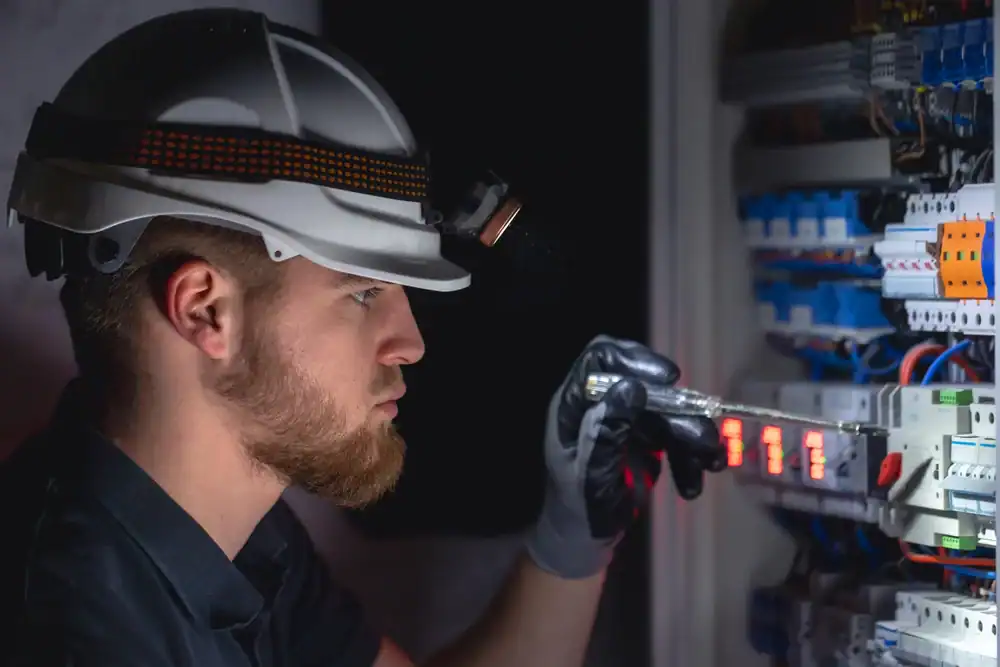
Flickering lights might seem like a minor annoyance, but they’re often the first sign of dangerous electrical conditions. When lights flicker consistently, especially when you use high-powered appliances, you’re looking at loose connections, faulty wiring, or voltage drops that exceed safe levels.
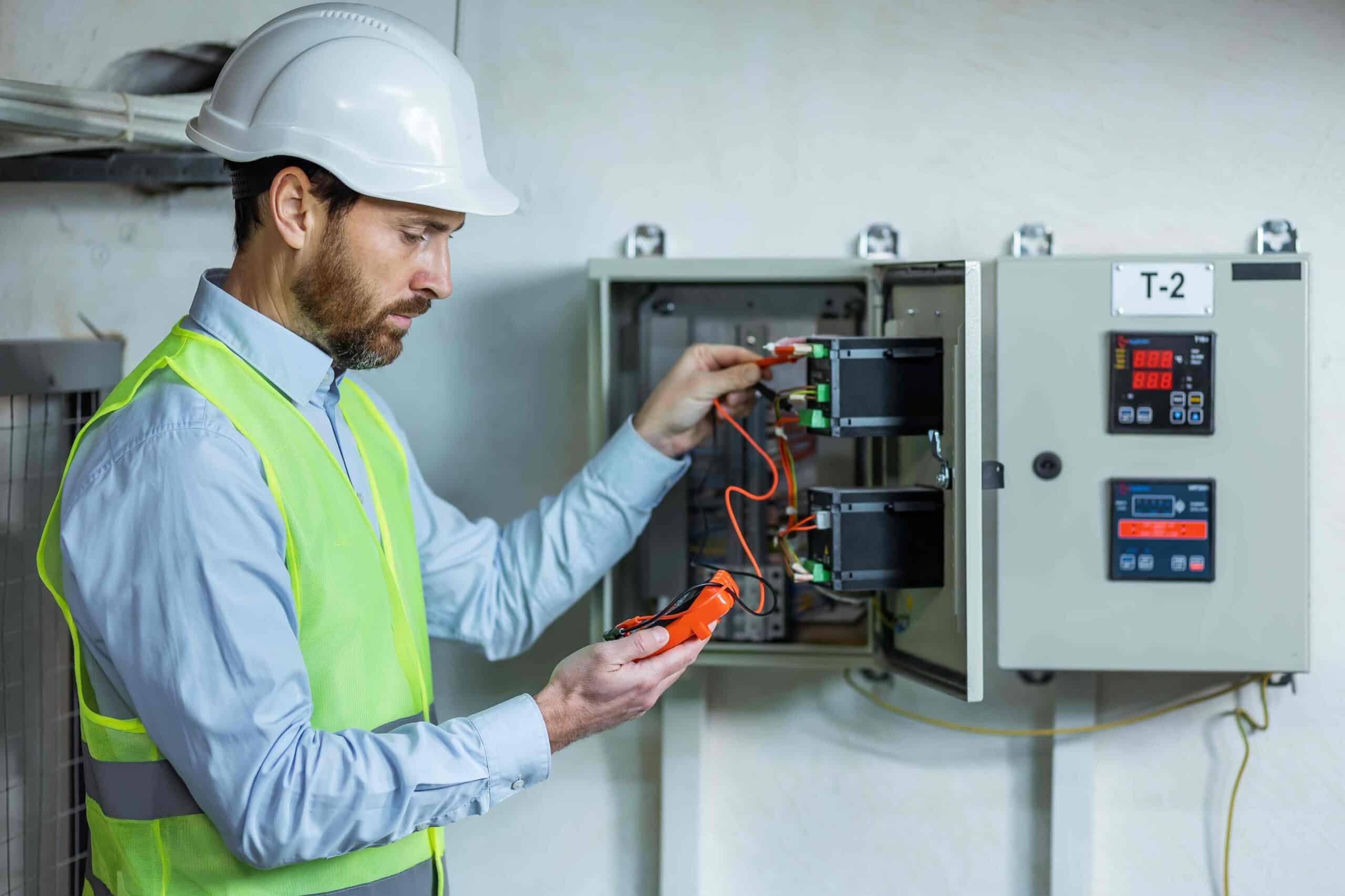
Voltage drops over 3% indicate circuits operating beyond capacity—a common problem when modern electrical demands strain systems designed decades ago. Professional testing measures voltage at outlets under various load conditions, revealing which circuits can’t maintain stable power when multiple appliances run simultaneously.
The danger isn’t just inconvenience. Loose connections generate heat, and heat leads to fires. What starts as occasional flickering can escalate into scorched outlets, damaged appliances, or worse. Suffolk County’s coastal environment makes this even more critical because salt air accelerates corrosion on electrical connections.
Don’t ignore flickering that happens when you turn on specific appliances or occurs in the same rooms repeatedly. These patterns indicate specific circuits that need attention. A quick diagnostic visit can identify whether you’re dealing with a simple loose connection or a more complex wiring issue that requires immediate professional attention.
Essential Electrical Upgrades for Modern Suffolk County Living
Suffolk County homeowners are embracing modern technology faster than their electrical systems can keep up. Electric vehicles, smart home devices, and energy-efficient appliances all require electrical infrastructure that many homes simply don’t have. The good news? Strategic upgrades can transform your home’s electrical system without breaking the bank.
The most impactful upgrade? Panel modernization. Moving from an older 100-amp panel to a 200-amp system opens up possibilities you probably haven’t even considered yet. Suddenly, that EV charger installation becomes simple instead of complicated. Your home office can handle multiple devices without competing with the kitchen appliances.
EV Charger Installation: Planning for the Future
Electric vehicle adoption is accelerating in Suffolk County, and smart homeowners are getting ahead of the curve with home charging stations. Level 2 chargers provide about 20 miles of range per hour of charging, meaning you can fully charge overnight and wake up ready for your commute.
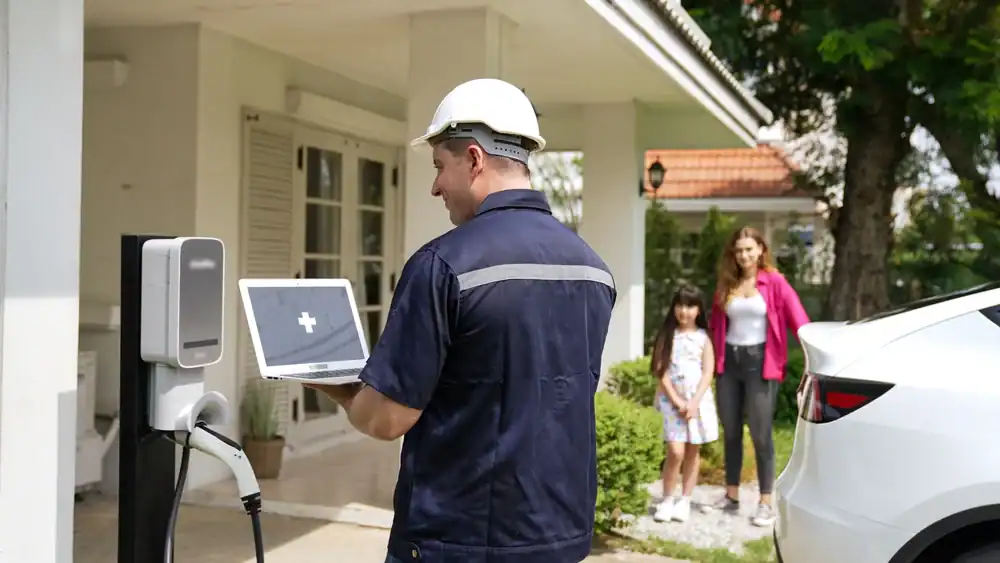
The installation process starts with evaluating your current electrical panel and load capacity. Most EV chargers require a dedicated 40-60 amp circuit, which older panels often can’t accommodate without upgrades. This is where planning ahead pays off—if you’re considering an EV purchase in the next few years, factor electrical upgrades into your decision timeline.
Professional EV charger installation involves more than just running new wiring. Proper placement considers your parking situation, weather protection, and future needs. Some homeowners install conduit and wiring during other electrical work, even if they don’t buy the charger immediately. This approach saves money and reduces disruption when you’re ready to make the switch to electric.
The financial benefits extend beyond fuel savings. Many Suffolk County homes see increased property values with EV charging capability. Tax credits and utility rebates can offset installation costs, making the upgrade more affordable than many homeowners expect. Plus, you’ll never worry about finding public charging stations or waiting in line to charge your vehicle.
Generator Installation: Power Security for Suffolk County Homes
Long Island residents know power outages aren’t just inconvenient—they’re inevitable. Whether it’s summer storms, winter weather, or equipment failures, losing power for days at a time is a reality Suffolk County homeowners face regularly. Whole-house generators provide the security and comfort you need when the grid fails.
Modern standby generators automatically detect power outages and restore electricity within seconds. No more scrambling for flashlights, worrying about food spoilage, or dealing with uncomfortable temperatures. Your home maintains normal operations while your neighbors deal with outage frustrations.
Generator sizing depends on your specific needs and priorities. Essential systems like refrigeration, heating, and lighting require less capacity than running your entire home normally. A professional assessment considers your must-have items versus nice-to-have conveniences, helping you choose a system that fits your budget and lifestyle.
Installation involves electrical connections, natural gas or propane fuel lines, and proper placement for safety and efficiency. Automatic transfer switches ensure seamless operation—the generator starts and stops automatically, switching power sources without any action from you. Regular maintenance keeps the system ready when you need it most, providing peace of mind that your family will stay comfortable and safe during extended outages.
Choosing the Right Electrician for Your Suffolk County Home
Electrical work isn’t the place to cut corners or take chances. Your family’s safety depends on proper installation, quality materials, and experienced professionals who understand Suffolk County’s unique challenges. The right electrician provides upfront pricing, arrives on schedule, and guarantees their work.
Look for licensed and insured contractors with local experience and positive customer reviews. Professional electricians arrive in marked vehicles, wear uniforms, and treat your property with respect. They explain what they’re doing, why it’s necessary, and what you can expect moving forward.
When electrical issues arise, don’t wait for small problems to become expensive emergencies. Whether you need emergency repairs, system upgrades, or modern installations like EV chargers and generators, we have served Suffolk County homeowners with honest, reliable service since 2004.

Sorry, the comment form is closed at this time.