Summary:
Your electricity bill doesn’t lie. If you’re still running incandescent or halogen lighting throughout your home, a meaningful chunk of what you’re paying PSEG Long Island every month is going toward heat, not light. LEDs use up to 75% less energy to produce the same brightness — and they last up to 25 times longer. For Suffolk County homeowners, that math adds up fast. This page covers what energy-efficient lighting installation actually involves, what questions come up most often, and what to watch for if your home was built before 1980 — which, statistically, it probably was.
How LED Lighting Installation Works in a Suffolk County Home
Installing energy-efficient lighting isn’t always as simple as screwing in a new bulb. For straightforward fixture swaps — replacing an old ceiling fixture with a new LED-compatible one — the process is relatively quick. But for recessed lighting, also called high hats here on Long Island, or for outdoor installations, there’s more involved: circuit evaluation, proper fixture ratings, and in many cases, a permit from your local municipality.
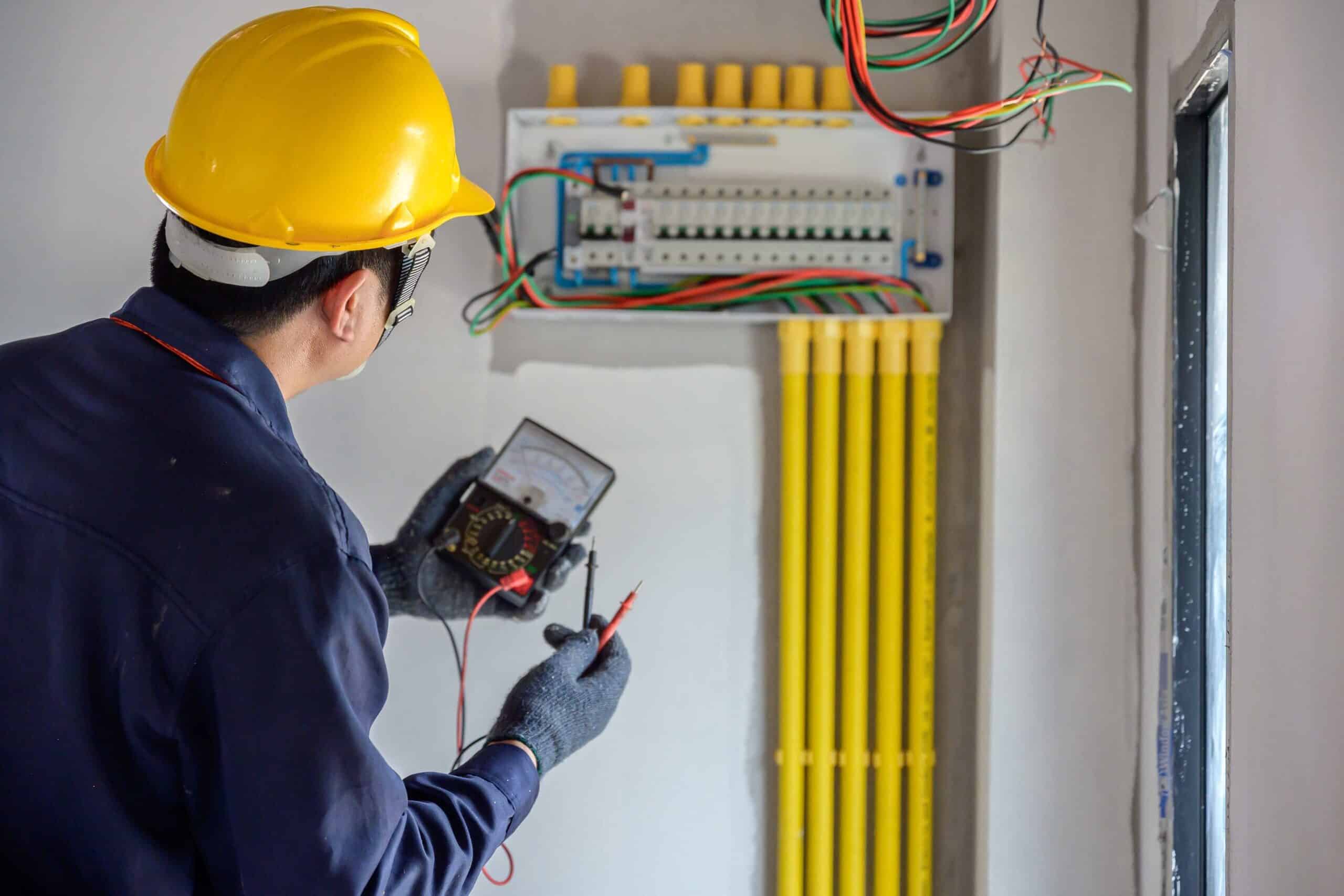
We start by assessing what your existing wiring and panel can handle. From there, fixtures are selected based on the space, the ceiling type, and the intended use. The installation itself is clean and methodical — no guesswork, no shortcuts.

What Makes High Hat Installation Different in Older Long Island Homes
Nearly 67% of homes in Suffolk County were built before 1980. That’s not a minor detail — it shapes almost every conversation we have with homeowners about lighting upgrades. Homes from that era were wired for a fraction of today’s electrical demand. No home offices, no EV chargers, no smart devices drawing power around the clock. The panels and circuits in those homes were designed for a simpler time.
When you want recessed lighting — high hats — installed in a pre-1980 Suffolk County home, the first step is making sure the existing system can safely support the new load. That means checking the panel, evaluating the circuits, and confirming that the ceiling construction allows for the right type of fixture. In insulated ceilings, for example, the fixture needs to be IC-rated, meaning it’s designed to be in direct contact with insulation without creating a fire risk. This isn’t a detail that comes up in a DIY tutorial, but it matters.
There’s also the wiring itself to consider. Some older Suffolk County homes were built with aluminum wiring instead of copper, or have deteriorating insulation on aging wire runs. None of this means you can’t have beautiful, modern recessed lighting — it just means the work needs to be done by someone who knows what they’re looking at. Cutting corners on a high hat installation in an older home isn’t just sloppy; it can create real safety problems down the road.
The good news is that once the system is properly evaluated and the circuits are confirmed or upgraded, the installation itself goes smoothly. And the result — clean, modern lighting where there used to be a dated ceiling fixture or bare bulb — is one of the most dramatic visual upgrades you can make to a room without touching a wall.
Outdoor Lighting Installation on Long Island: Why Coastal Conditions Change the Equation
Outdoor lighting in Suffolk County isn’t the same as outdoor lighting in, say, central Pennsylvania. The proximity to the Atlantic Ocean, Long Island Sound, and the bays and inlets that define this county’s geography means that salt air and humidity are constant factors. Those conditions accelerate corrosion on electrical connections, junction boxes, and fixture hardware — sometimes significantly faster than homeowners expect.
A fixture that looks fine from the outside can have corroded wiring connections inside after just a few years if it wasn’t properly rated for wet or damp locations. This is why outdoor lighting installation here genuinely requires weatherproof, wet-location-rated fixtures and sealed, properly protected connections — not just fixtures that look sturdy at the hardware store.
There’s also the question of GFCI protection. Any outdoor electrical circuit in New York is required by code to have ground fault circuit interrupter protection, which cuts power instantly if a fault is detected. It’s a safety requirement, not an optional upgrade, and it’s one of the things we confirm during installation.
For homeowners with decks, patios, driveways, or pools — which describes a large portion of Suffolk County properties — outdoor lighting is both a practical and aesthetic investment. Pathway lighting, security floodlights, landscape accent lighting, and deck lighting all add usability and curb appeal to a property. When it’s installed correctly, with the right fixtures and proper weatherproofing, it holds up through Long Island winters and salt-air summers without constant maintenance. When it isn’t, you’re replacing corroded hardware and tripped circuits within a couple of years. The difference is in how it’s done.
The Real Cost Savings of Switching to LED Lighting in Suffolk County
Suffolk County residents pay some of the highest residential electricity rates in the continental United States through PSEG Long Island. That context matters when you’re evaluating whether an LED upgrade is worth the upfront cost — because the payback timeline here is shorter than almost anywhere else in the country.
LEDs use at least 75% less energy than incandescent bulbs and last up to 25 times longer. For a home that’s still running incandescent or halogen fixtures throughout, the monthly savings on a PSEG Long Island bill can be substantial. Over the life of the fixtures, that compounds into a meaningful return on a relatively modest investment.

How Much Can You Actually Save on Your PSEG Long Island Bill With LED Lighting?
The honest answer is: it depends on how many fixtures you’re upgrading and what you’re replacing. But the directional math is straightforward. If a standard incandescent bulb draws 60 watts and an equivalent LED draws around 8 to 10 watts, you’re using roughly 85% less electricity for the same light output. Multiply that across every fixture in your home — living room, kitchen, bedrooms, bathrooms, exterior — and the cumulative reduction in your monthly draw is real.
For Suffolk County homeowners paying PSEG Long Island rates, the calculus tips even further in favor of upgrading. A home that still has incandescent recessed lighting throughout — especially a larger house with a lot of high hats — is spending significantly more on lighting than it needs to. The upgrade cost for a full LED installation is typically recovered within a few years through energy savings alone, and that’s before you factor in the reduced bulb replacement costs that come from fixtures that last 15 to 25 years instead of one.
Smart lighting controls — occupancy sensors, programmable schedules, dimmer switches — can push those savings further still. A room that automatically dims or shuts off when it’s unoccupied isn’t drawing power unnecessarily. For larger Suffolk County homes with multiple lighting zones, that kind of control can reduce lighting energy use by an additional 20 to 30% beyond the LED baseline.
Does Energy-Efficient Lighting Installation Add Value to a Suffolk County Home?
In a word, yes — and the Long Island real estate market makes this more relevant than it might be elsewhere. Suffolk County has seen sustained home sale activity, and sellers consistently look for high-ROI improvements before listing. Updated lighting is one of the most frequently cited upgrades by real estate professionals because it’s visible, immediate, and relatively affordable compared to kitchen or bathroom renovations.
Recessed LED lighting in a living room or kitchen transforms how a space looks and feels. It signals that the home has been maintained and modernized, which matters to buyers walking through a property. Outdoor lighting — clean pathway lights, well-placed security lighting, properly installed landscape accents — improves curb appeal and makes a property feel finished.
Beyond aesthetics, there’s a practical angle that matters to buyers of older Suffolk County homes specifically. When a home has had its lighting professionally upgraded by a licensed electrician, it often means the circuits were evaluated, the panel was confirmed as adequate, and the work was done to code. For a buyer who’s about to take on a pre-1980 home, that’s reassuring. It reduces the unknown.
There’s also the sustainability dimension, which carries increasing weight with buyers. LED lighting produces significantly less carbon output than incandescent alternatives. For buyers who factor environmental impact into their decisions, a home with energy-efficient lighting already in place is a genuine selling point, not just a nice-to-have.
If you’re planning to sell in the next few years, or simply want a home that’s more efficient, more comfortable, and more appealing, professional LED lighting installation is one of the most straightforward upgrades available to you.
Ready to Upgrade the Lighting in Your Suffolk County Home? Here's What to Do Next.
Energy-efficient lighting installation isn’t a complicated decision once you understand what’s involved. LEDs save real money on real utility bills, they last long enough that you stop thinking about bulb replacements, and when they’re installed correctly in an older home, they work safely and reliably for years. The key word is correctly.
In Suffolk County — with its aging housing stock, coastal conditions, and some of the highest electricity rates in the country — getting the installation right matters more than it might in other markets. That means a licensed electrician who knows what to look for in a pre-1980 home, uses properly rated fixtures for outdoor applications, and gives you a clear price before any work begins.
If you’re thinking about upgrading your lighting — whether that’s high hats in the living room, outdoor fixtures that can actually handle a Long Island winter, or a full LED conversion throughout the house — we’ve been doing this work across Suffolk County since 2004. Reach out for a free estimate and find out exactly what’s involved for your home.