Summary:
Assessing Your Home's Electrical System for EV Charging
Your electrical panel is the heart of your home’s power system, and it needs to handle the additional load that comes with EV charging. Most electric vehicles require a dedicated 240-volt circuit that can draw 40-60 amps of power—significantly more than your typical household appliance.
The reality is that many Suffolk County homes weren’t built for today’s electrical demands. If your home was built before 1990, there’s a good chance your electrical panel wasn’t designed to handle modern appliances plus an EV charger. You’ll need a professional assessment to determine if your current setup can safely support the additional load.
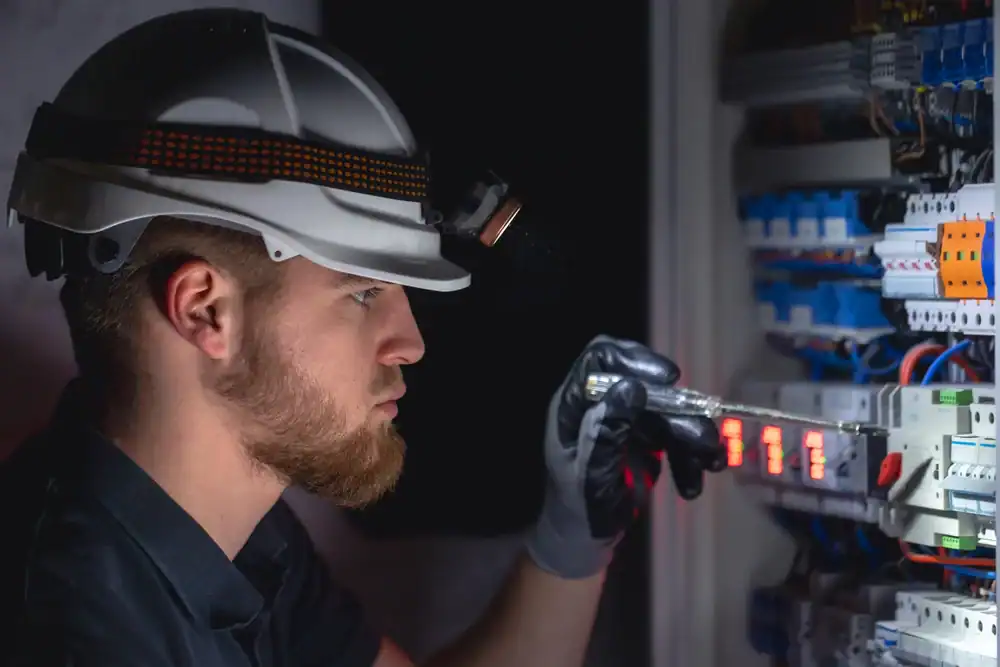
We’ll evaluate your panel’s total capacity, current electrical usage, and available space for additional circuits. This assessment determines whether you can proceed with a straightforward installation or if you’ll need to upgrade your electrical service first.
Understanding Your Electrical Panel's Capacity Requirements
Modern homes typically need 150-200 amp electrical service to safely operate today’s appliances and support EV charging. However, many Suffolk County homes still operate on older 60-100 amp panels that simply can’t handle the additional electrical load from an EV charger.
Think about your current electrical usage. Your kitchen alone probably runs a microwave, dishwasher, refrigerator, and various small appliances. Add in your HVAC system, water heater, washer and dryer, plus all the electronics throughout your home, and you’re already pushing your electrical system hard. An EV charger adds another major electrical load to that mix.
During the assessment, we’ll perform a load calculation to determine if your panel has enough available capacity. We’ll look at your current electrical usage patterns and factor in the additional 40-60 amps needed for EV charging. If your panel is already operating near capacity, you’ll need an upgrade before installation can proceed.
The good news is that panel upgrades aren’t just about accommodating your EV charger—they’re an investment in your home’s overall electrical safety and capacity. A modern electrical panel reduces the risk of overloaded circuits, improves electrical efficiency, and provides room for future electrical needs. Many homeowners find that upgrading their panel solves other electrical issues they’ve been experiencing, like frequently tripped breakers or flickering lights.
Choosing the Right Location for Your EV Charger
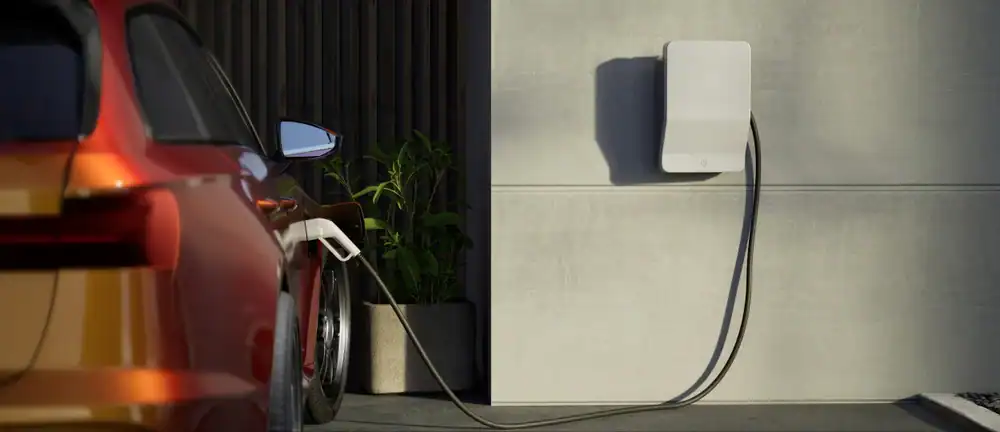
Location planning is crucial for both convenience and cost-effectiveness. The ideal spot for your EV charger balances easy vehicle access with practical electrical considerations. Most homeowners prefer garage installations, but outdoor installations are also common and perfectly viable.
We need to run a dedicated circuit from your electrical panel to the charger location. The distance between your panel and the charging station directly impacts installation costs—longer runs require more materials and labor. If your electrical panel is on the opposite side of your house from where you park, expect higher installation costs.
Consider your daily routine when choosing the location. You want easy access for plugging and unplugging, but you also want the charger positioned so the charging cable reaches your vehicle’s charging port without stretching across walkways or creating trip hazards. Most EV chargers come with 18-25 foot cables, giving you some flexibility in positioning.
Weather protection is another important factor. While most EV chargers are designed for outdoor use, installing the unit under an overhang or in a garage protects it from direct weather exposure and can extend its lifespan. If you’re installing outdoors, make sure the location provides adequate clearance from windows, doors, and other structures as required by local codes.
Don’t forget about future needs. If you might add a second EV or upgrade to a vehicle with different charging requirements, discuss this with us during the planning phase. Installing conduit for a future second charger during the initial installation can save significant costs later.
PSEG Requirements and Rebate Programs for Suffolk County
PSEG Long Island offers several programs that can help offset the cost of your EV charger installation. Understanding these requirements and incentives can save you hundreds of dollars and help you make the most of your investment.
The most significant benefit is PSEG’s Residential Charger Rebate Program, which provides qualified customers with a $200 rebate on ENERGY STAR certified Level 2 EV chargers. If you’re located in a Disadvantaged Community or participate in PSEG’s Household Assistance Program, you can receive an additional $100 rebate, bringing your total savings to $300.
To qualify for these rebates, your charger must be ENERGY STAR certified and installed at your PSEG Long Island service address. You’ll need to provide documentation including your sales receipt, proof of installation, and photos of the installed charger with visible model and serial numbers.
PSEG Time-of-Day Rate Benefits for EV Charging
One of the biggest ongoing benefits of home EV charging is PSEG’s Time-of-Day rate structure, which can significantly reduce your charging costs. Rate 195 provides a 40% discount compared to the traditional flat rate when you charge during off-peak hours.
Off-peak charging typically occurs between 9 PM and 7 AM on weekdays, plus all day on weekends. For most EV owners, this aligns perfectly with their charging routine—plugging in when they get home from work and having a fully charged vehicle by morning. This rate structure can save you hundreds of dollars annually on your electricity bill.
The key to maximizing these savings is having a Level 2 charger that can fully charge your vehicle during the off-peak window. While you could technically charge using a standard 120-volt outlet, it would take 20+ hours for a full charge, making it impossible to take advantage of the time-of-day rates effectively.
Many modern EV chargers and vehicles allow you to schedule charging times, automatically starting the charging process during off-peak hours even if you plug in earlier. This feature ensures you’re always getting the best possible rate while maintaining the convenience of simply plugging in when you arrive home.
PSEG also offers special programs for customers who want to maximize their environmental impact. If you’re interested in pairing your EV charger with solar panels or other renewable energy systems, PSEG has additional incentives and net metering programs that can further reduce your overall energy costs.
Permit Requirements and Local Code Compliance
Almost all Level 2 EV charger installations in Suffolk County require electrical permits. This isn’t just bureaucratic red tape—permits ensure your installation meets local safety codes and electrical standards. Most towns and villages in Nassau and Suffolk County require permits for any new electrical circuits, especially high-amperage circuits like those needed for EV charging.
The permit process typically involves submitting an application with details about the planned installation, including the charger specifications, electrical panel modifications, and circuit routing. We handle this process for you, as we’re familiar with local requirements and have the technical knowledge to complete the applications correctly.
Permit fees vary by municipality but typically range from $50 to $300 for residential EV charger installations. While this adds to your upfront costs, it’s a worthwhile investment in safety and compliance. Permitted work must be inspected by local code officials, ensuring your installation meets all safety standards.
Don’t be tempted to skip the permit process. Unpermitted electrical work can create serious safety hazards, void your home insurance coverage, and cause problems when you sell your home. Additionally, many EV charger manufacturers require professional, permitted installation to maintain warranty coverage.
The inspection process is straightforward but important. The inspector will verify that the installation meets local electrical codes, that proper safety measures are in place, and that the work was completed by a licensed electrician. Once you pass inspection, you’ll have confidence that your EV charger is safe, legal, and properly installed.
What to Expect During Your EV Charger Installation
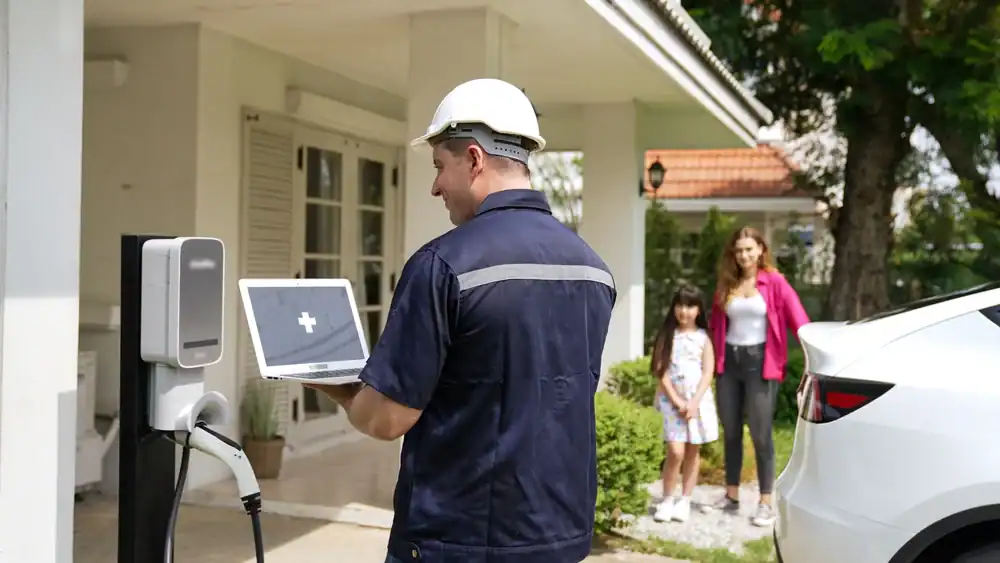
A professional EV charger installation typically takes 4-8 hours, depending on your home’s electrical setup and the complexity of the installation. We’ll start by confirming the installation plan, verifying that your electrical panel can handle the additional load, and ensuring all materials and permits are in order.
The installation process involves running a dedicated circuit from your electrical panel to the charger location, installing the appropriate breaker, mounting the charging station, and connecting all wiring according to manufacturer specifications and local codes. We come prepared with all necessary tools and materials to complete the job efficiently.
After installation, we’ll test the system thoroughly, walk you through the charger’s features and operation, and schedule the required inspection. We guarantee our work and provide ongoing support if you have questions or concerns about your new charging station.